
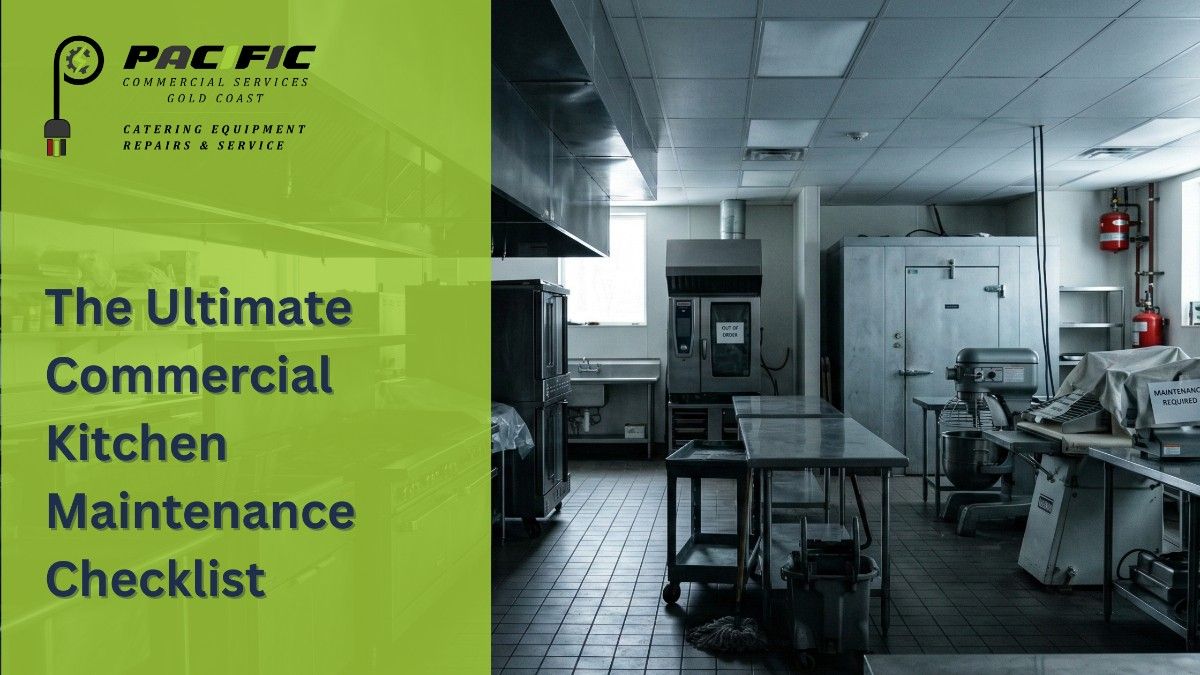
The Ultimate Commercial Kitchen Maintenance Checklist
Operating a commercial kitchen, whether it is a restaurant, café, hotel, or other type of foodservice establishment, is no easy feat. Down equipment means lost revenue, frustrated employees, health concerns, and dissatisfied patrons. This is why maintenance and checklists are so important to every commercial kitchen manager.
Why Regular Maintenance Matters
Downtime means lost revenue and hasty repairs. Preventive maintenance not only prevents a breakdown but also extends the life of high-value appliances such as combi ovens, dishwashers, and gas ranges.
The Kitchen Maintenance Checklist
Daily Tasks
- Clean food debris from oven racks and trays
- Check dishwasher filters and drain systems
- Wipe grease build-up from grills and fryers
- Inspect gas connectors for leaks or wear
- Log temperature checks for fridges/freezers
Daily maintenance keeps your workspace safe and compliant with health standards.
Weekly Tasks
- Deep clean and sanitize oven interiors
- Degrease range exhaust hoods and filters
- Inspect electrical leads and plug connections
- Check for unusual noises or overheating
This helps catch issues before they become major faults.
Monthly Tasks
- Test thermostat accuracy on key appliances
- Lubricate moving components
- Review maintenance logs for recurring issues
- Schedule professional preventive servicing
Professional servicing helps maximise performance and reduce replacement costs.
Practical Tips to Avoid Costly Breakdowns
- Keep clear maintenance logs: Record details — dates, parts replaced, irregularities noted.
- Train your team: Basic checks by staff can drastically reduce service calls.
- Act on warning signs: Strange smells, overheating or inconsistent heat levels often signal impending failure.
- Partner with a trusted technician: Fast response times save kitchens from extended downtime.
Safety + Compliance
Failing to maintain commercial kitchen equipment can lead to fines and health risks — especially when managing gas appliances or high-temperature ovens.
Local Focus: Gold Coast, Brisbane & NSW
Having a local service provider who understands the regulations and service areas in the region can help reduce turnaround time and travel expenses. Having a professional service partner means having support 24/7 in case of emergencies, which is most appreciated during peak service times.
Conclusion
Prevent costly breakdowns should be part of your daily routine. By using a clear checklist and working with qualified technicians, kitchens stay safer, run more smoothly, and stay more profitable.